FR | EN | ES

Super Bowl and Big Data: Predictive Game Strategies Driven by the Cloud

Partager l'article : 𝕏 Twitter 💼 LinkedIn 📘 Facebook
By NEXUS Editorial | Published May 29, 2026 | Reading time: 10 min | Category: AI & Sport

In the ultra-competitive world of the National Football League (NFL), the difference between lifting the legendary Vince Lombardi trophy or heading home empty-handed is now played out on minute details, invisible to the naked eye. Today, these details are no longer just scrutinized on the grass field or frantically drawn on whiteboards. They are ingested, dissected, and modeled by complex algorithms, fed by Big Data and massively hosted in the Cloud. How have predictive analysis and artificial intelligence transformed the Super Bowl? An exclusive dive into the heart of the most fascinating technological revolution in modern American football.

AdSense Advertisement - Slot 1 (Leaderboard)

American football has always been compared to a giant game of chess played by modern gladiators. Every offensive play, defensive adjustment, blocking movement, and split-second quarterback decision is meticulously calculated. But with the massive influx of digital data, this game of chess has abruptly shifted into four dimensions. NFL franchises no longer simply watch endless hours of videotape on Monday mornings; they leverage terabytes of data in real-time, collected during every practice and every quarter, to anticipate their opponents' intentions with almost frightening precision.

The epicenter of this technological earthquake has a name: the Next Gen Stats system. Initiated a few years ago, this setup relies on high-precision RFID chips integrated directly into the shoulder pads of all players on the field, as well as in the ball itself. This network of sensors generates a continuous stream of information, tracking real-time metrics such as top speed, exact spatial position, acceleration curves, distance covered, and the separation between a receiver and their defender. Each game produces millions of raw data points. However, accumulating this data is just the foundation. The true competitive advantage—the one that tips the balance in decisive January and February matchups—lies in the blazing-fast ability to process, clean, and analyze this information to extract actionable insights on the sideline. And this, within the 40-second window allocated between two plays.

It is precisely at this critical moment that artificial intelligence and the colossal computing power of Cloud computing step in spectacularly. Cloud infrastructures (often powered by AWS, the league's official partner) allow for the ingestion of this staggering mountain of information almost instantly. Ultra-sophisticated Machine Learning models are trained for months to recognize hidden tactical patterns, evaluate the exact probability of success for a given play call, and suggest dynamic strategic adjustments directly to the coordinators.

The Control Room: When the Head Coach Becomes a Data Scientist

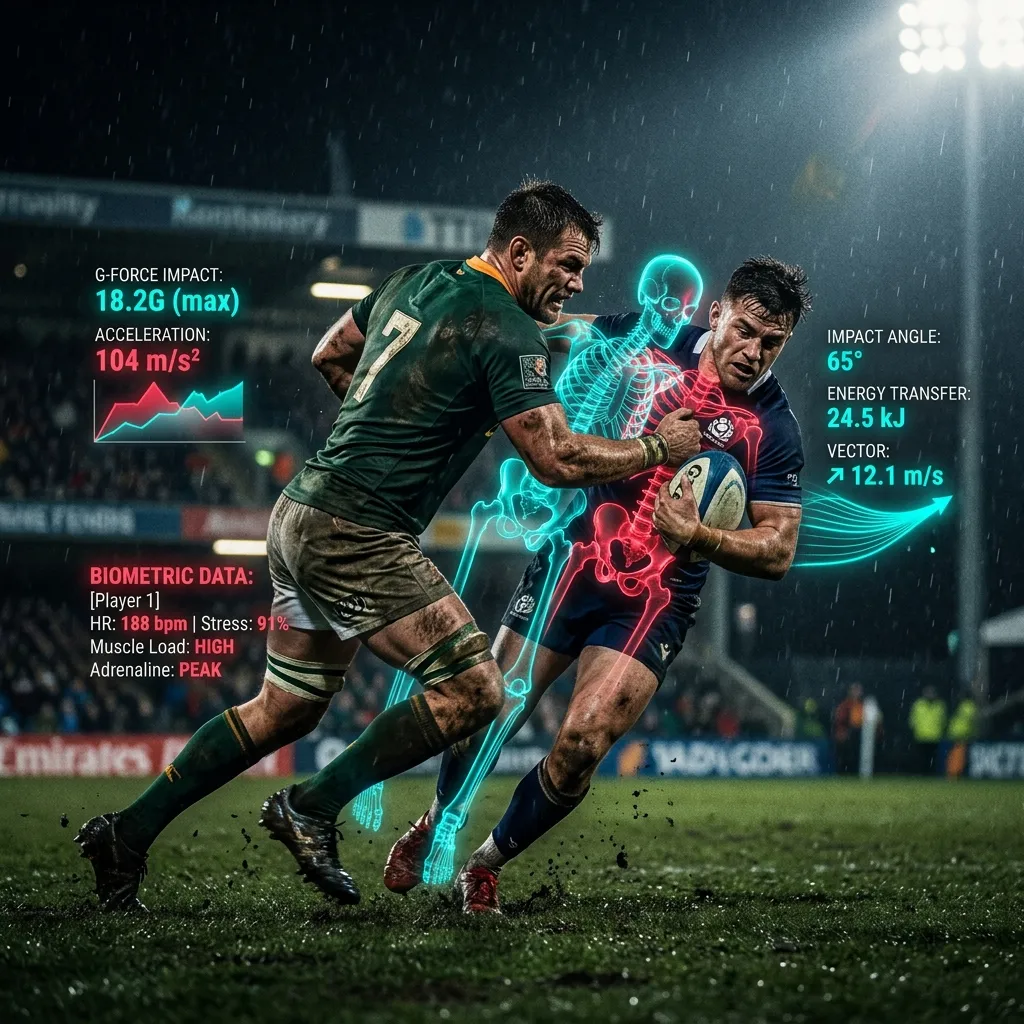
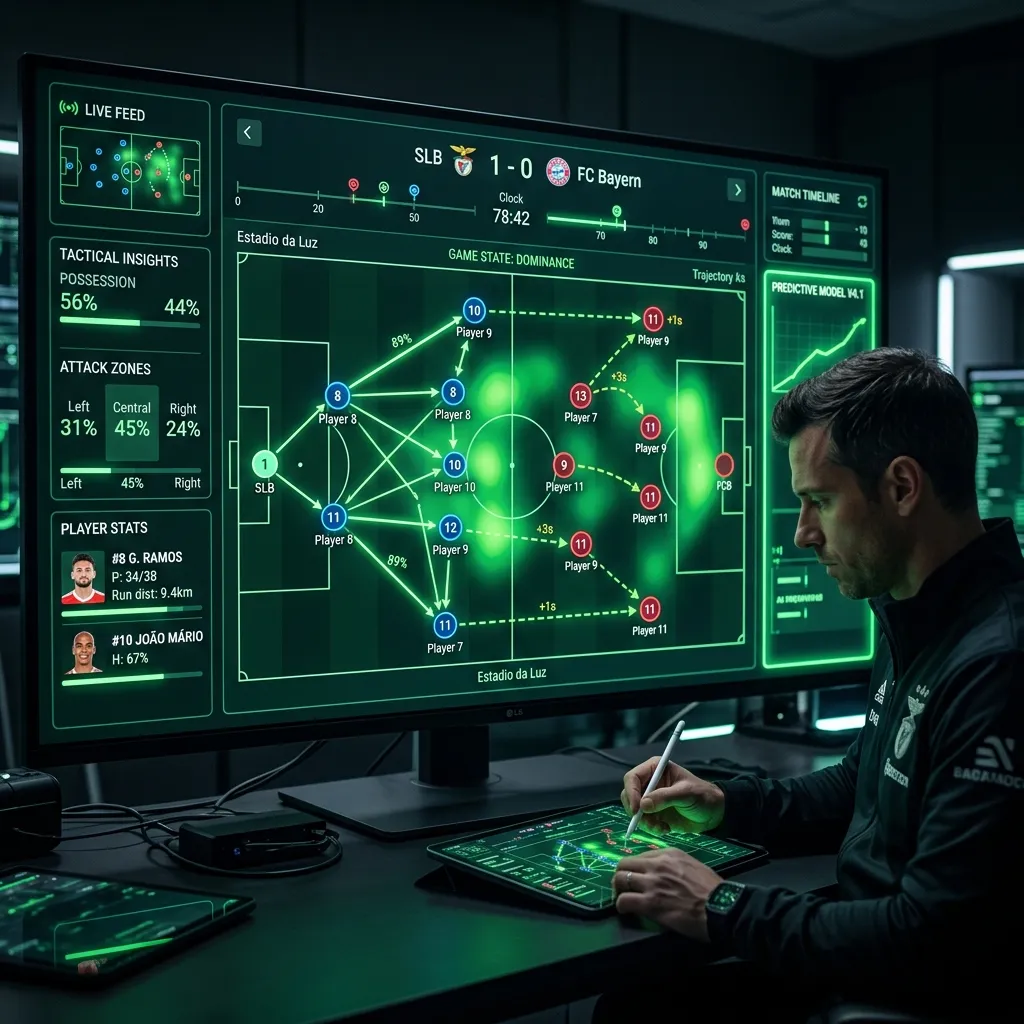
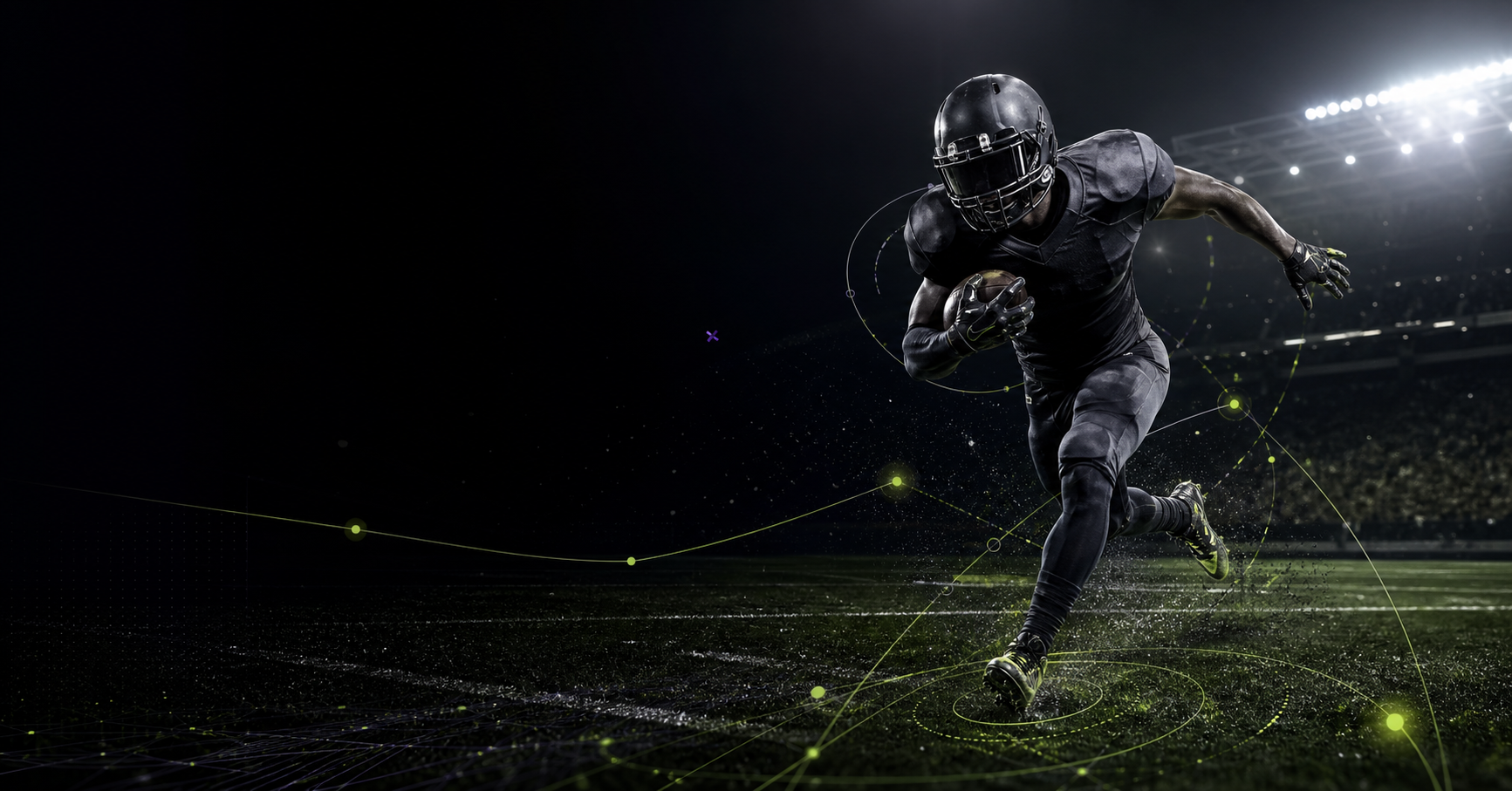
American football field with digital lines
Vector analysis of movements reveals vulnerabilities in defensive coverage.

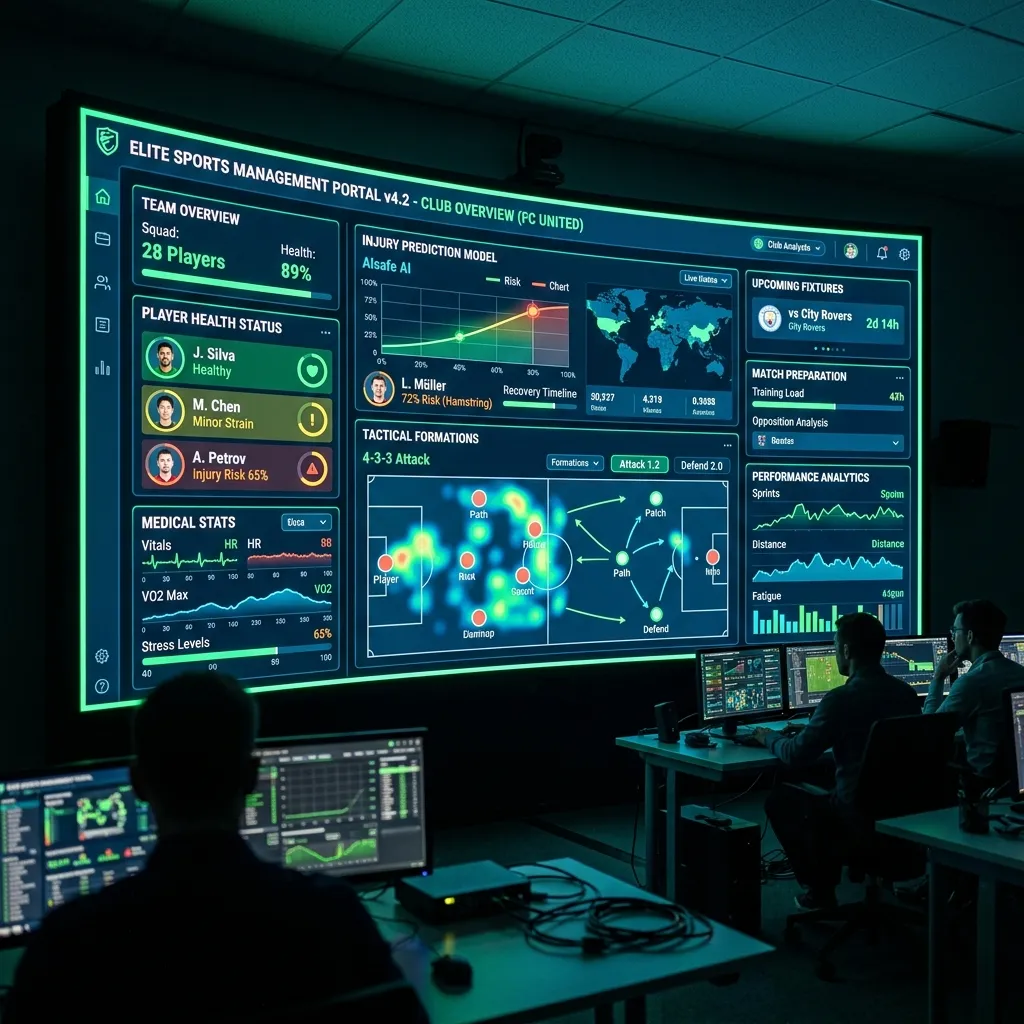
On the electric sidelines of the Super Bowl, the landscape has radically changed. Rugged touch tablets have definitively relegated the old cardboard binders filled with blurry Polaroid photos to oblivion. Coaches, equipped with ultra-connected headsets, are in constant communication with an army of data analysts cloistered in glass boxes overlooking the stadium. What they continuously receive is no longer just visual confirmation of the opponent's defensive formation; it is predictive streams, complex probabilities, and AI-generated decision trees.

Take a scenario of maximum tension: a critical "4th and 2" situation on the opponent's 45-yard line in the fourth quarter. Ten years ago, the decision to go for it or punt rested largely on the Head Coach's gut feeling, influenced by game momentum or trust in their quarterback. Today, AI decides with surgical coldness. The algorithm has already swallowed and spat out the opposing team's history in strictly identical situations over the last sixty games. It instantly integrates the estimated fatigue of the linebackers (extrapolated via the RFID sensors on their equipment), weather conditions, wind, stadium direction, and even the defensive coordinator's psychological propensity to call an aggressive blitz under heavy pressure.

"Artificial Intelligence in no way replaces the coach's primal instinct, it amplifies it on an industrial scale. It turns passing intuitions into relentless mathematical certainties at a given moment."

Thanks to the scalability of the Cloud, the team can run tens of thousands of possible scenario simulations (via the Monte Carlo method) while the head referee slowly spots the ball at the center of the field. The coach receives in their headset not a dictatorial order, but a range of play call options, each rigorously weighted by its potential success percentage. The bold historical decisions, which once made so much ink flow in the press the next day, are no longer the result of crazy gambles. They have become the expression of a rational calculation proving that the benefit of an attempt fully justifies the statistical risk involved.

It is precisely this deep cultural integration of data that today separates true dynasties from mid-table teams. Visionary franchises, which no longer hesitate to recruit former astrophysicists, software engineers, or distinguished statisticians from the halls of MIT or Stanford, are mathematically the ones that most often find themselves under the confetti rain at the end of the season.

AdSense Advertisement - Slot 2 (In-article banner)

Intelligent Injury Prevention and Biometric Optimization

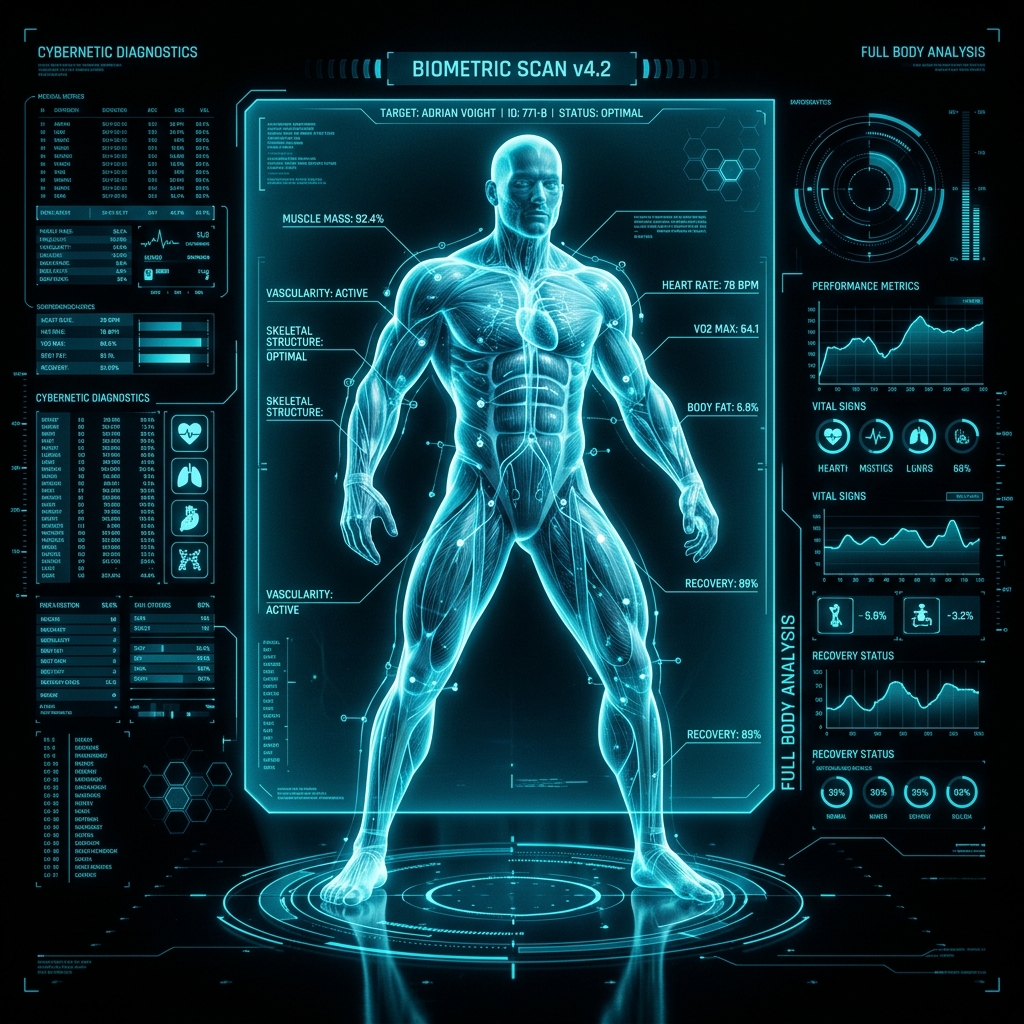
Athlete in intensive training with tech equipment
Wearable sensors measure neuromuscular load to prevent severe injury risks.

The impact of Big Data extends far beyond the scope of game strategies. It is operating a silent revolution in weight rooms, infirmaries, and training centers. In a contact sport characterized by its unheard-of violence and devastating attrition rate, the availability of "franchise" players (the team's stars) is the cardinal factor of success. To address this, sports medicine has metamorphosed into predictive data science. Algorithms are now trained to detect the invisible beginnings of an injury long before a muscle tears or a ligament ruptures.

Ultra-high-performance wearables monitor global and local workloads. If a wide receiver suddenly shows a tiny asymmetry in their running stride during the third practice of the week—a discrepancy undetectable to the trained eye of a physical conditioner—the AI triggers a red alert. This subtle biomechanical change could indicate muscular compensation due to incipient inflammation or deep neuromuscular fatigue. Immediately, the athlete's training volume is reduced, or targeted treatments are provided upstream.

The Cloud daily centralizes a staggering volume of heterogeneous health data for each member of the 53-player roster: deep sleep cycles, nutrition, hydration, muscle recovery, blood cortisol levels, and even self-reported psychological stress levels. Deep neural networks constantly cross-reference these variables to design a dynamic profile called "Readiness to Perform." On Super Bowl Sunday, the coaching staff isn't flying blind. They know exactly how many snaps a pass rusher can take at maximum intensity before their efficiency drastically collapses, allowing them to optimize rotations just as one would manage the tires of a Formula 1 car.

Take it to the Next Level: Pro Connected Gear

Want to dissect your own performance with the precision of a data scientist? Discover the range of biometric equipment and motion sensors acclaimed by international physical trainers. Analyze your workload, optimize your recovery, and let data guide your progress.

Fan Experience 2.0: When Data Transforms Broadcasting

The avalanche of data does not remain confined to coaches' headsets. It trickles down into the living rooms of millions of viewers, fundamentally changing how the Super Bowl is consumed and analyzed by the general public. Television networks, powered by real-time Cloud APIs, integrate augmented reality graphical overlays directly onto screens.

The fan now sees the receiver's sprint speed in miles per hour displayed above their head, or the mathematical probability—updated every tenth of a second—that the pass will be completed based on the defenders closing in. This additional layer of algorithmic information democratizes the tactical understanding of American football. The viewer grasps the complexity of the play, realizing the physical and technical feat of a completed pass in a throwing window that only had a 12% chance of success according to artificial intelligence.

The Future: Digital Twins and Immersive Simulation

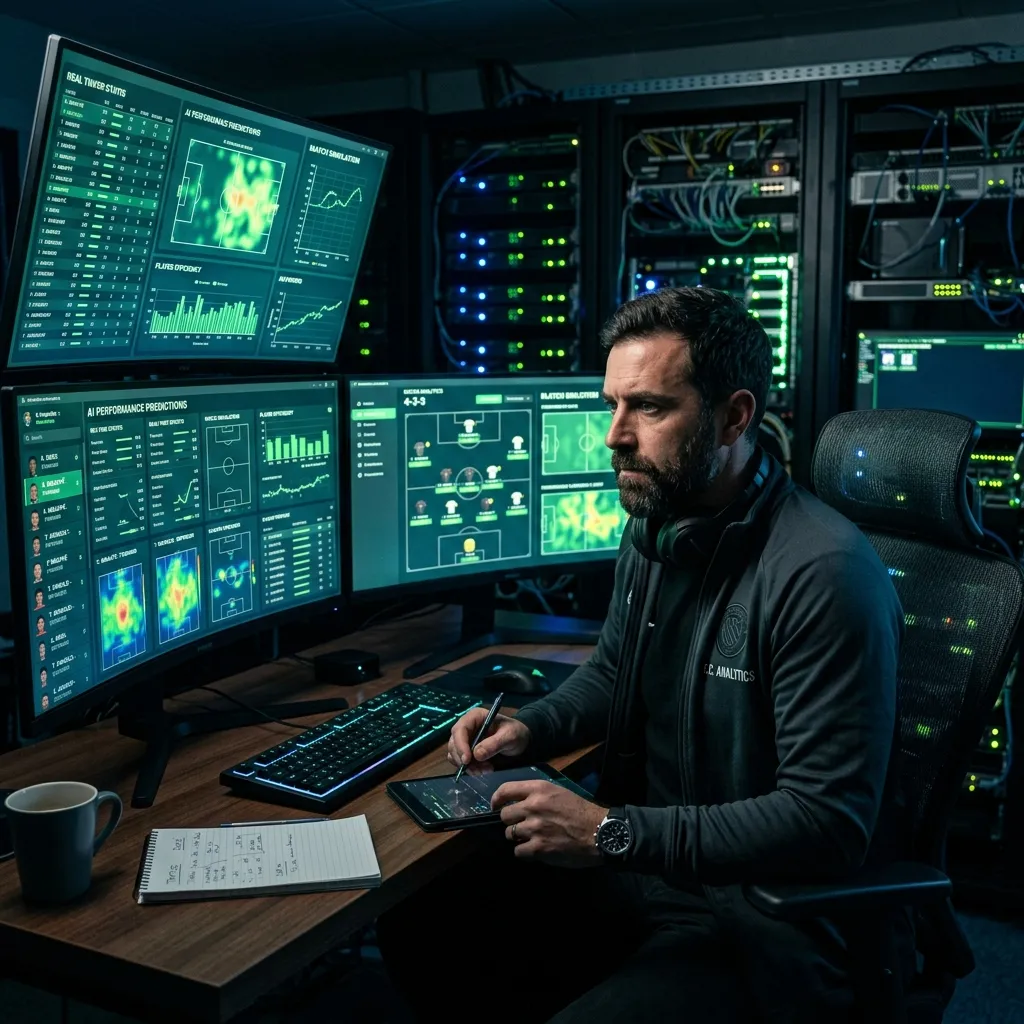
Cloud server room and data modeling
Massive Cloud infrastructures are the true engine of modern franchises' tactical intelligence.

Where will this analytical frenzy end? The next technological frontier is already being written under the name "Digital Twin". The most avant-garde teams are working on developing complete virtual replicas, not only of their own roster but of the entire league. These advanced simulators, fed in real-time by Cloud streams, will allow strategists to test the effectiveness of a new playbook against their next opponent's modeled defense, weeks before kickoff.

At the same time, virtual reality (VR) is becoming an indispensable cognitive training tool. Young quarterbacks plug into immersive simulators to relive complex blitzes they have faced or will face, visualizing the defense exactly as it unfolds in reality thanks to GPS coordinates. They thus train their brains to read defenses and speed up their decision-making without enduring the slightest physical hit.

In definitive conclusion, the Super Bowl, the pinnacle of North American sports, is no longer solely a spectacular celebration of muscular power and raw speed. It is the resolution point of an invisible cyberwar, fought behind the scenes in air-conditioned data centers, where Cloud architects and Data engineers are designing the future of the game. Predictive algorithms dictate the trajectory of leather footballs well before they are released by the quarterback's hand. Undeniably, Cloud Computing and Big Data have become the indispensable 12th man of the NFL, propelling professional sports into an era of absolute optimization.

AdSense Advertisement - Slot 3 (Bottom banner)

⚠️ Avertissement Médical

Le contenu de cet article est révisé par notre comité scientifique à des fins d'information et d'éducation sur les technologies sportives. Il ne se substitue en aucun cas à un avis médical professionnel, un diagnostic ou un traitement. Consultez toujours un médecin du sport ou un professionnel de santé qualifié pour toute question relative à votre santé ou avant d'entreprendre un nouveau programme d'entraînement.